Debate Over Banning Open-Source AI Gains Traction in the US
Experts warn that restricting open models could harm innovation and research in the artificial intelligence sector.
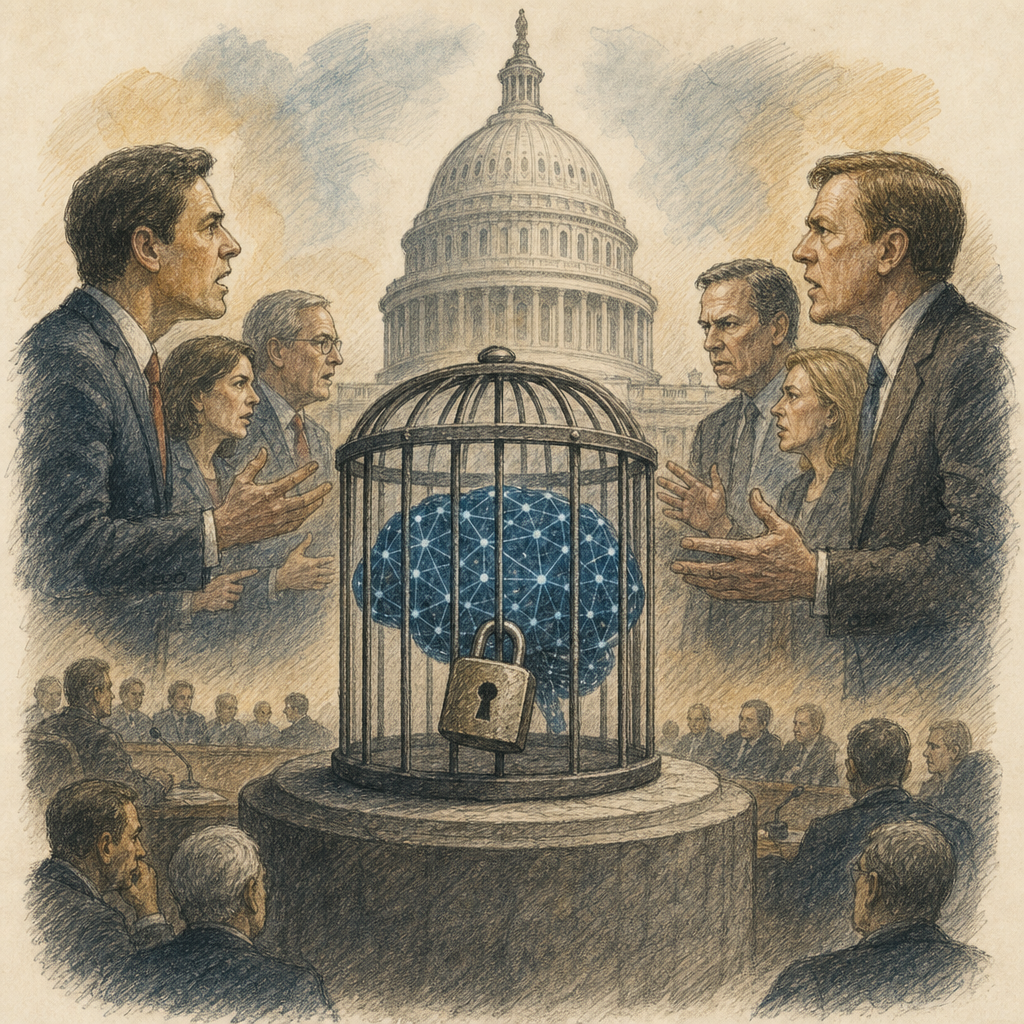
The possibility of banning or restricting the development of open-source artificial intelligence has sparked significant debate within the tech industry. Experts and analysts have spoken out against measures that would limit access to open models, arguing that such a stance would be a misstep for the AI ecosystem. The debate has gained relevance as governments and regulatory agencies evaluate how to oversee the rapid advancement of these technologies.
According to the specialized publication Interconnects, an opinion piece co-authored by Kevin Xu of the Interconnected platform addressed the topic for a general, non-technical audience. The initiative signals an effort to broaden public understanding of the impacts of potential restrictions on open-source AI, moving the discussion beyond exclusively academic and technical circles.
The movement against the ban argues that open development is fundamental to the progress of artificial intelligence. Open-source models allow researchers, developers, and smaller companies to access advanced tools, democratizing innovation. Restricting this access could concentrate development in the hands of a few large corporations, limiting competitiveness and scientific advancement in the field.
Despite concerns about security and the misuse of the technology, open-source advocates argue that transparency is a more effective risk mitigation mechanism than outright restriction. The ability to publicly audit models allows the technical community to identify and fix vulnerabilities more quickly.
The regulatory landscape is still taking shape, but the clash between state control and developmental freedom is set to shape the future of artificial intelligence. The push for greater transparency and technological accessibility remains an important pillar in the formulation of public policies for the sector.
Why do experts oppose a ban on open-source AI?
Experts argue that restricting open models would harm innovation, limit scientific research, and concentrate AI development in the hands of a few large corporations, reducing competitiveness.
How do open-source advocates propose mitigating AI security risks?
Advocates argue that transparency is the best risk mitigation mechanism. Publicly auditing open-source models allows the technical community to quickly identify and fix vulnerabilities, which is more effective than outright restriction.
What is the current state of open-source AI regulation in the US?
The US regulatory landscape is still taking shape. Governments and regulatory agencies are currently evaluating how to oversee the rapid advancement of AI, balancing state control with developmental freedom.