Groups Criticize UK AI That Estimates Asylum Seekers' Age for Inaccuracy and Bias
Human rights organizations warn the technology fails to distinguish children from adults in the exact age bracket where it is planned to be used.
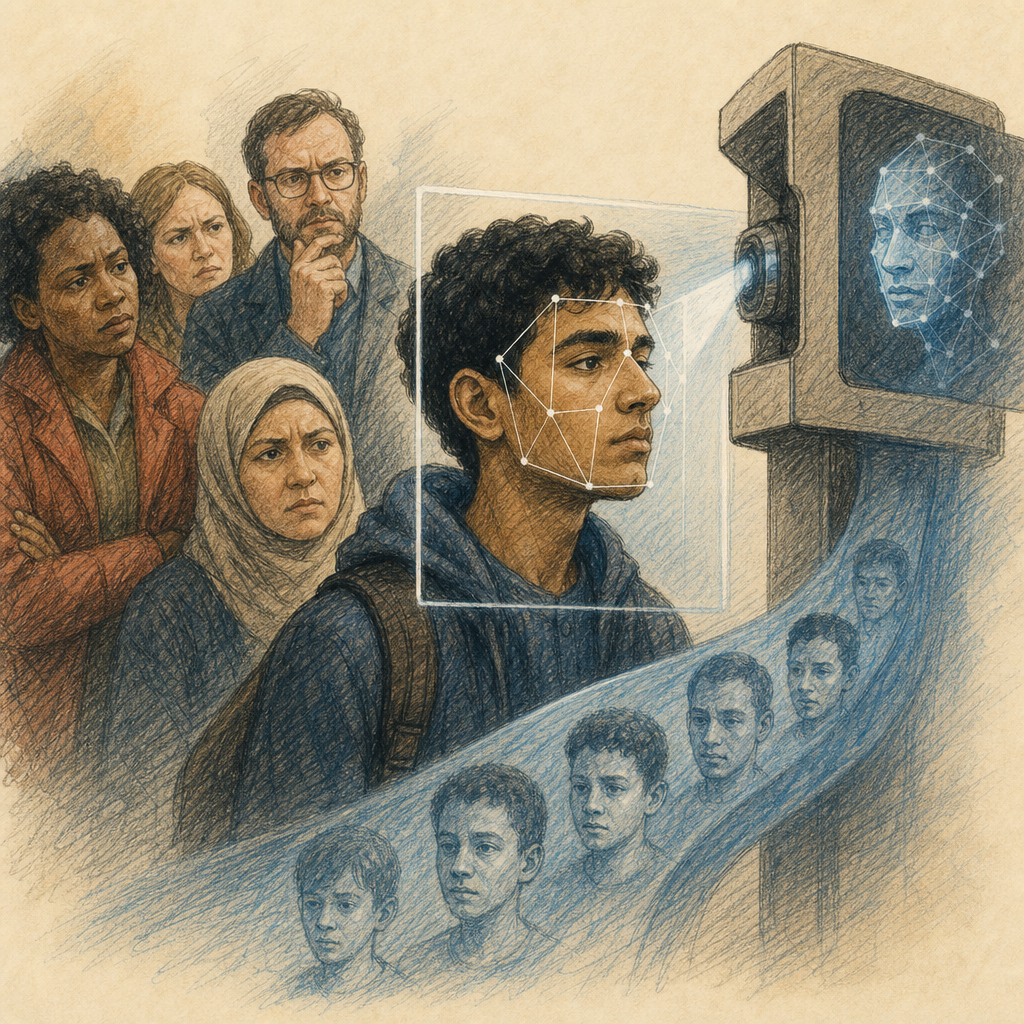
The UK Home Office has faced criticism from human rights organizations following the implementation of an artificial intelligence system designed to estimate the age of asylum seekers. According to activists, the technological tool cannot reliably assess the age of individuals near the boundary between childhood and adulthood, which is precisely the critical point where the system is planned to be used.
Campaigns against the adoption of the technology label the tool as biased and ineffective. The central concern lies in the risk of minors being incorrectly classified as adults due to the algorithm's inaccuracy. This failure in age differentiation could result in the improper treatment of vulnerable children within the immigration system, exposing them to procedures and environments intended for adults.
Despite allegations of inaccuracy and discrimination, the British government continues to structure the use of artificial intelligence to assist in immigration decisions. The debate highlights the growing tension between the pursuit of modernization and administrative efficiency at the borders and the State's responsibility to ensure the protection of vulnerable populations' fundamental rights.
The controversy surrounding the UK's AI age estimator adds to a broader discussion about the limits of facial and biometric technology in governmental contexts. Experts and civil rights advocates have repeatedly warned that automated identification and categorization systems carry structural biases that disproportionately affect minority groups, requiring rigorous auditing protocols before any deployment in sensitive public policies.
Why are human rights groups criticizing the UK's AI age estimator for asylum seekers?
Human rights organizations criticize the tool for being inaccurate and biased, specifically because it cannot reliably distinguish between children and adults at the exact age boundary where it is intended to be used.
What are the main risks of misclassifying minors using this AI tool?
If the algorithm incorrectly classifies a minor as an adult, vulnerable children could be exposed to immigration procedures and environments intended only for adults, compromising their safety and fundamental rights.
What broader concerns does this technology raise regarding government use of AI?
The controversy highlights that automated biometric and facial recognition systems carry structural biases that disproportionately affect minority groups, emphasizing the need for rigorous auditing before deployment in sensitive public policies.