US Government Restricts Anthropic Models Following Alleged Jailbreak by Amazon Researchers
National security decision sparks reactions from experts and places the company at the center of the AI regulation debate.
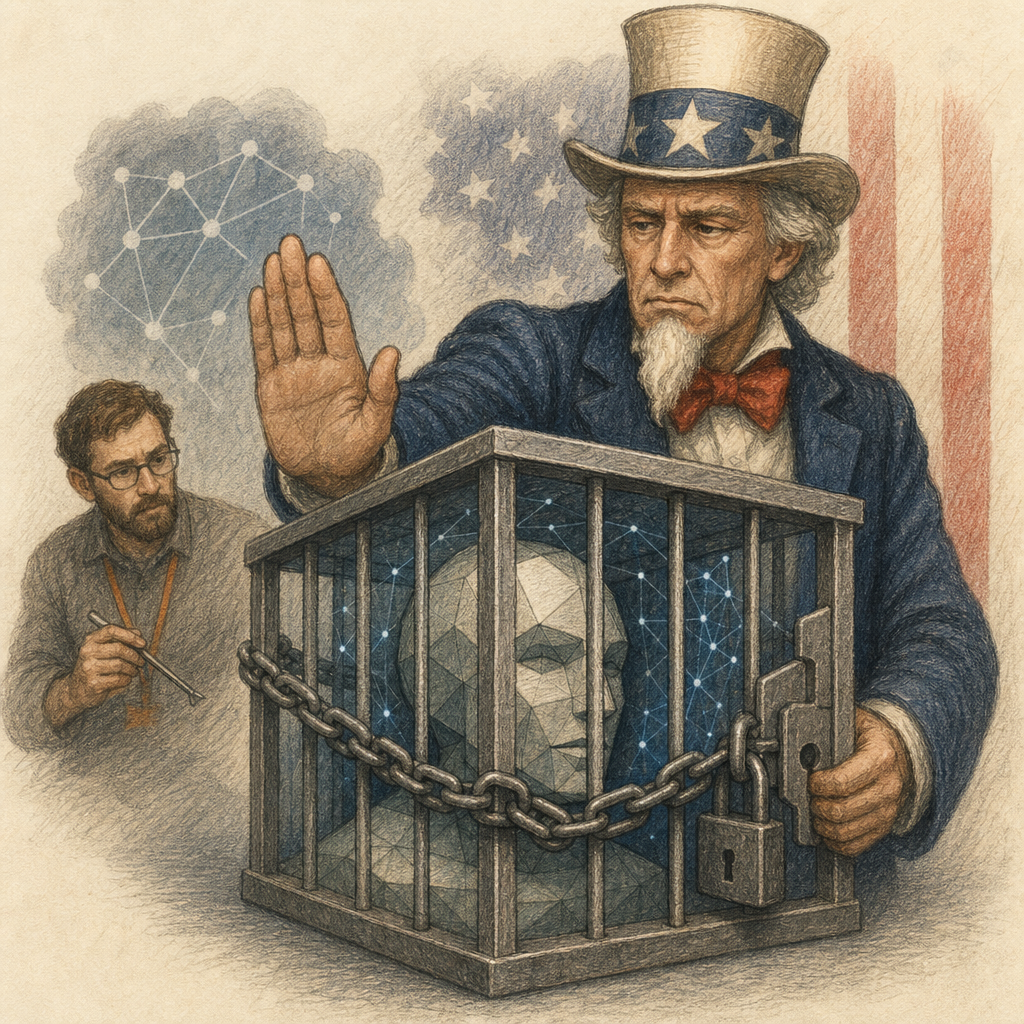
The United States government has ordered the withdrawal of Anthropic's two newest artificial intelligence models, Fable 5 and Mythos 5. The measure was motivated by national security concerns after Amazon researchers allegedly discovered a method to bypass Fable 5's safety guardrails.
The government's action has drawn criticism within the cybersecurity sector. Industry experts signed an open letter labeling the ban as dangerous to the technology ecosystem. The decision has also reignited public debate over how authorities should handle the safety of language models without hindering research progress.
Anthropic itself issued a statement pushing back against some of the arguments that led to the restriction. According to the company, the security flaws that allowed the so-called jailbreak of the system are not exclusive to its technology. The AI developer stated that similar vulnerabilities can also be found in models from other industry players.
Although the measure was intended to mitigate risks, the government restriction may be generating an unexpected side effect for the brand. The episode has placed Anthropic at the center of discussions regarding the boundary between innovation and security, which, according to market analyses, may be increasing the company's visibility and strengthening its public image.
The case involving Anthropic, Amazon, and the US government illustrates the growing complexity of regulating advanced artificial intelligence systems. With companies torn between transparency regarding flaws and the fear of regulatory punishment, the market now awaits to see how authorities will respond to the concerns raised by cybersecurity experts.
Why did the US government restrict Anthropic's Fable 5 and Mythos 5 models?
The US government ordered the withdrawal of the AI models due to national security concerns after Amazon researchers allegedly discovered a method to bypass Fable 5's safety guardrails.
How did Anthropic respond to the government's restrictions?
Anthropic pushed back against the restriction, arguing that the security flaws allowing the jailbreak are not exclusive to its technology and that similar vulnerabilities can be found in models from other industry players.
What was the reaction of cybersecurity experts to the ban on Anthropic's models?
Cybersecurity experts criticized the decision, signing an open letter labeling the ban as dangerous to the technology ecosystem and reigniting the debate over AI safety versus research progress.