Match Survey Shows U.S. Singles Are Resistant to AI in Dating
Data cited by TechCrunch reveals that nearly half of singles view the technology negatively, though they remain open to limited uses for profiles and messages.
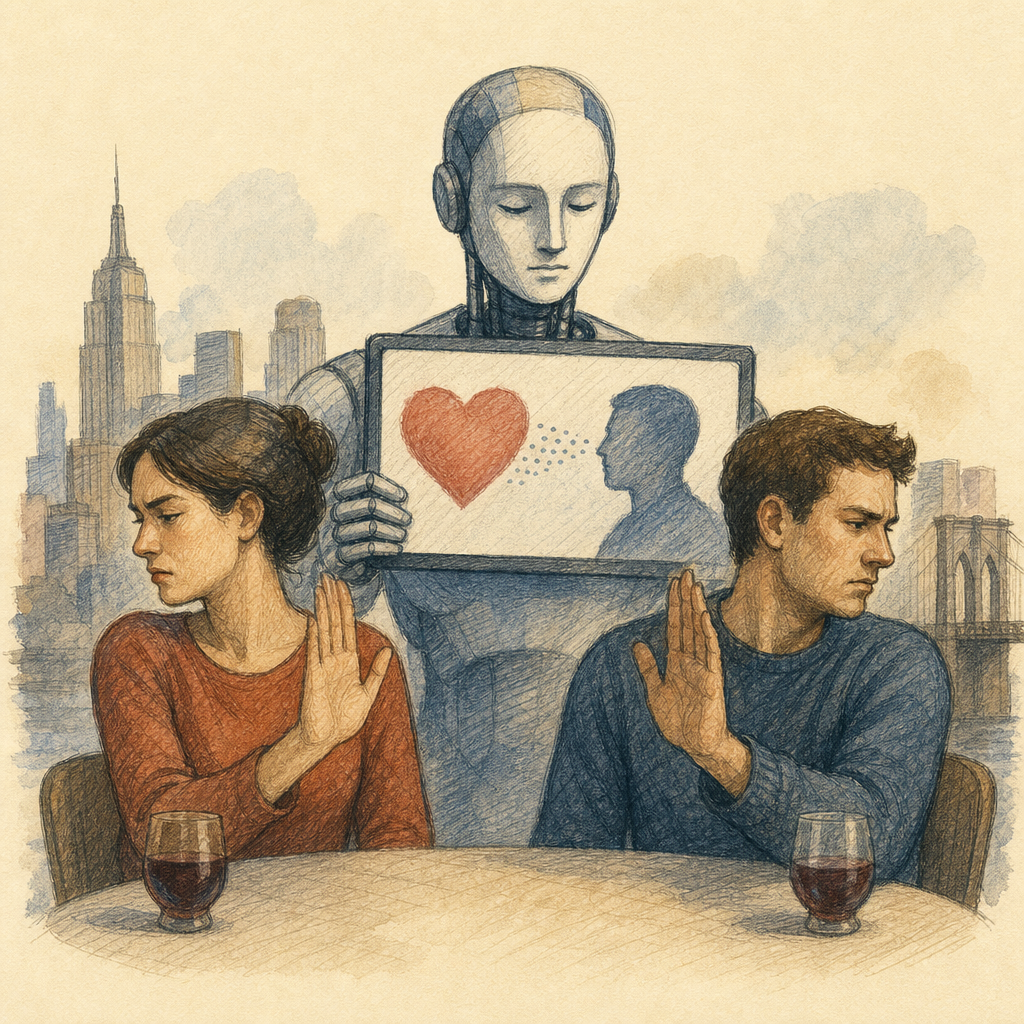
Nearly half of singles in the United States view the use of artificial intelligence in dating apps and interactions negatively, according to Match data cited by TechCrunch. The survey indicates that 47% of respondents have an unfavorable perception of the technology's presence in this context.
At the same time, according to the same source, this rejection does not equate to opposition to any AI application. Dating app users show some openness to tools that help improve profile descriptions or suggest ways to start conversations—more limited, assistive uses within the overall experience.
The data highlights a challenge for dating platforms that have been testing automated features: incorporating AI without undermining user trust. In services built on authenticity, personal presentation, and direct conversation, the perception that an interaction may be mediated or generated by software tends to become a significant factor in adoption.
According to TechCrunch, the figures come from Match, a group that owns several brands in the dating sector. The survey suggests that companies in the industry may find greater acceptance for supportive functions—such as text editing and initial suggestions—than for uses that replace personal communication between potential matches.
How do U.S. singles feel about using AI in dating apps?
According to a Match survey cited by TechCrunch, 47% of U.S. singles view the use of AI in dating apps and interactions negatively, expressing concerns about authenticity and trust.
Are dating app users open to any AI features?
Yes, while resistant to AI replacing personal communication, users are open to assistive AI tools. These include features that help improve profile descriptions or suggest ways to start conversations.
What is the main challenge for dating platforms incorporating AI?
The main challenge is incorporating AI without undermining user trust. In a service built on authenticity and direct conversation, users may reject software-mediated interactions that replace personal communication.