Microsoft identifies malware that spreads via USB to steal cryptocurrencies
According to Ars Technica, the threat dubbed Crypto Clipper uses USB devices to self-propagate and communicates over the Tor network.
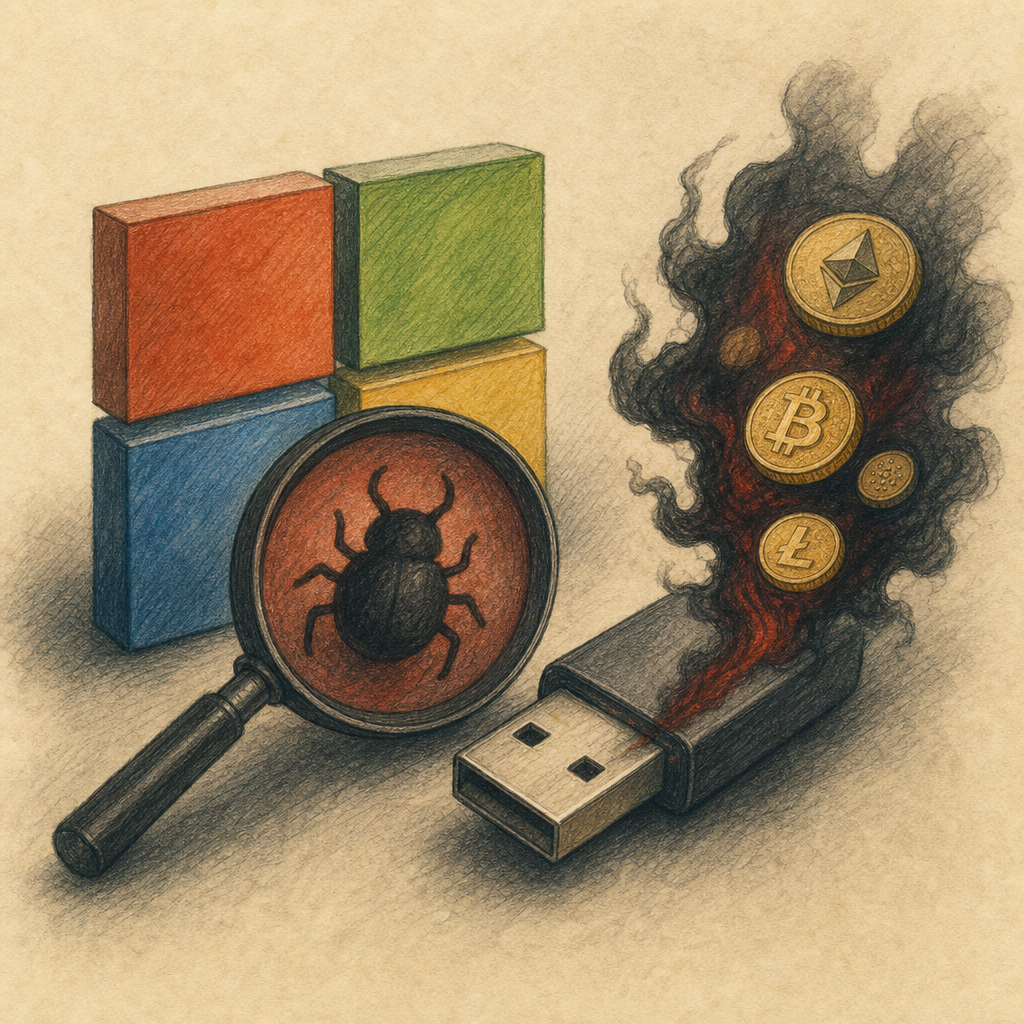
Microsoft has identified a new malware designed to steal cryptocurrencies that is capable of spreading on its own, according to a report by Ars Technica. The threat, dubbed Crypto Clipper, was described as malicious software that propagates through USB devices and targets crypto transactions.
According to the publication, the malware uses USB drives as a vector for dissemination, which can expand the reach of infection in environments where removable devices are shared among different machines. Ars Technica also reports that Crypto Clipper communicates through the Tor network, a feature frequently used to hinder the tracking of online infrastructure.
According to Ars Technica, the malware's goal is to steal cryptocurrencies. Based on the name and description of the threat, it falls into a category associated with attacks that interfere with operations involving digital wallets, although the complete technical details were not provided in the available material.
The case underscores the persistence of attacks that combine traditional vectors, such as removable media, with digital financial targets. To date, the information available comes from Ars Technica, which attributes the discovery to Microsoft.
- Microsoft spots new self-propagating malware for stealing cryptocurrency · arstechnica.com
What is Crypto Clipper malware?
Crypto Clipper is a malicious software identified by Microsoft that propagates through USB devices to steal cryptocurrencies and interferes with digital wallet transactions.
How does the Crypto Clipper malware spread?
The malware uses USB drives as a vector for dissemination, expanding its infection reach in environments where removable devices are shared among different machines.
How does Crypto Clipper evade tracking?
Crypto Clipper communicates through the Tor network, a feature frequently used by threat actors to hinder the tracking of their online infrastructure.