NASA to put science instrument on Relativity Space's commercial Mars orbiter
The Aeolus mission aims to collect data to improve Martian climate models, but it depends on the Terran R rocket, which has yet to reach orbit, according to The Register.
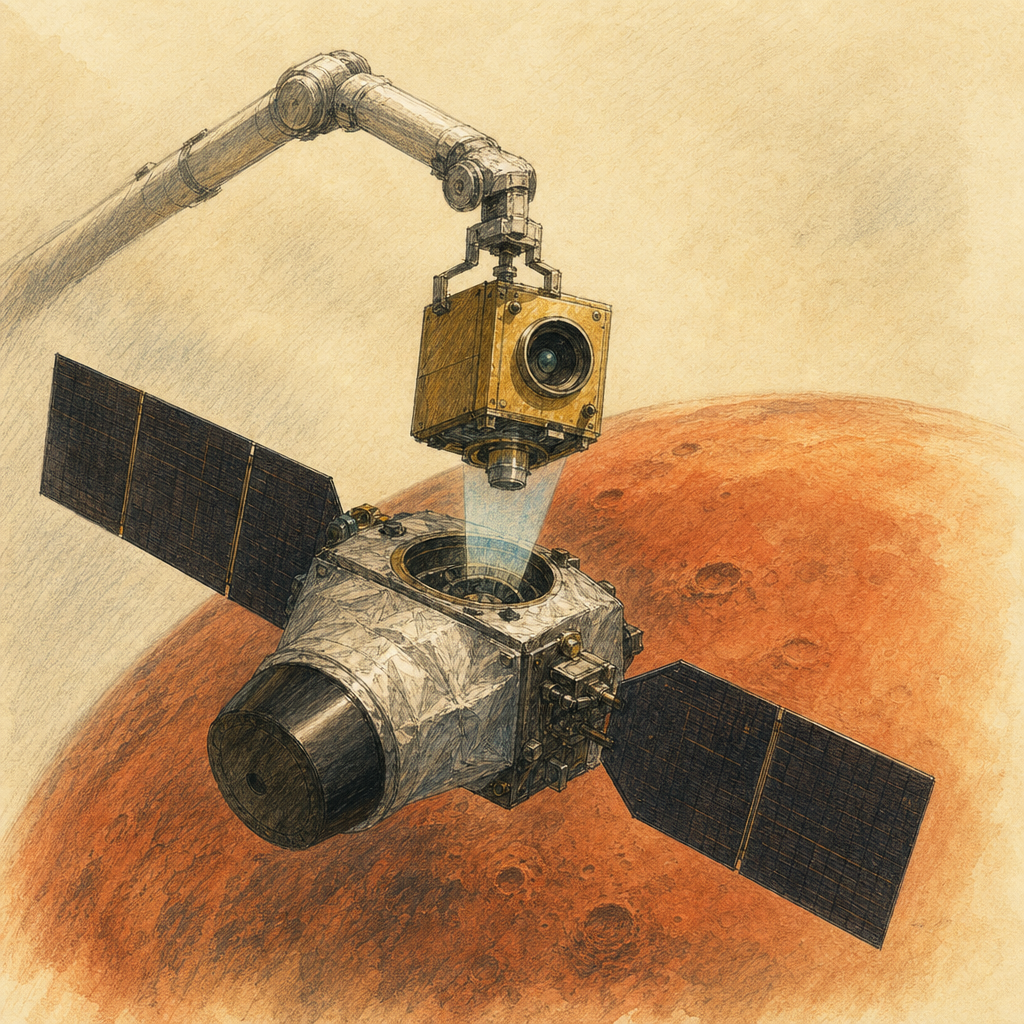
NASA plans to fly a science instrument on the commercial Aeolus mission, a Mars orbiter being conducted by Relativity Space, according to The Register. The goal is to use the mission to gather measurements that will help refine Martian climate models, a field relevant to future robotic and human operations on the planet.
According to the publication, the mission depends on the Terran R, a rocket currently under development by Relativity Space. The main concern is that the company has yet to put a vehicle into orbit, making the timeline and technical execution critical factors for the project's viability.
The Register reports that Aeolus is part of a broader trend of collaboration between NASA and commercial providers for missions beyond Earth orbit. The idea is to leverage private platforms to reduce costs and accelerate opportunities for technology demonstrations and data collection, though this also shifts some of the risk to companies still in the process of validating their systems.
As reported by the source, the NASA instrument is expected to contribute to more accurate forecasts of atmospheric conditions on Mars. In an environment characterized by temperature variations, dust, and complex atmospheric dynamics, orbital data can support both scientific research and the planning of future missions.
The mission, however, remains contingent on the progress of the Terran R rocket. According to The Register, Relativity Space must demonstrate it can deliver payloads to orbit before undertaking an interplanetary mission — a milestone that will be closely watched by institutional customers and the commercial space sector.
What is the goal of NASA's instrument on Relativity Space's Aeolus mission?
The goal is to gather atmospheric measurements to refine Martian climate models, which will support future robotic and human operations on Mars.
What rocket will launch the Aeolus Mars orbiter?
The Aeolus mission depends on the Terran R rocket, which is currently under development by Relativity Space.
What is the main risk associated with the Aeolus mission?
The primary risk is that Relativity Space has not yet successfully put a vehicle into orbit, making the Terran R rocket's timeline and technical execution critical to the project's viability.