Norway Restricts AI Use by Elementary School Children
The measure limits younger students' interaction with AI tools in the school environment.
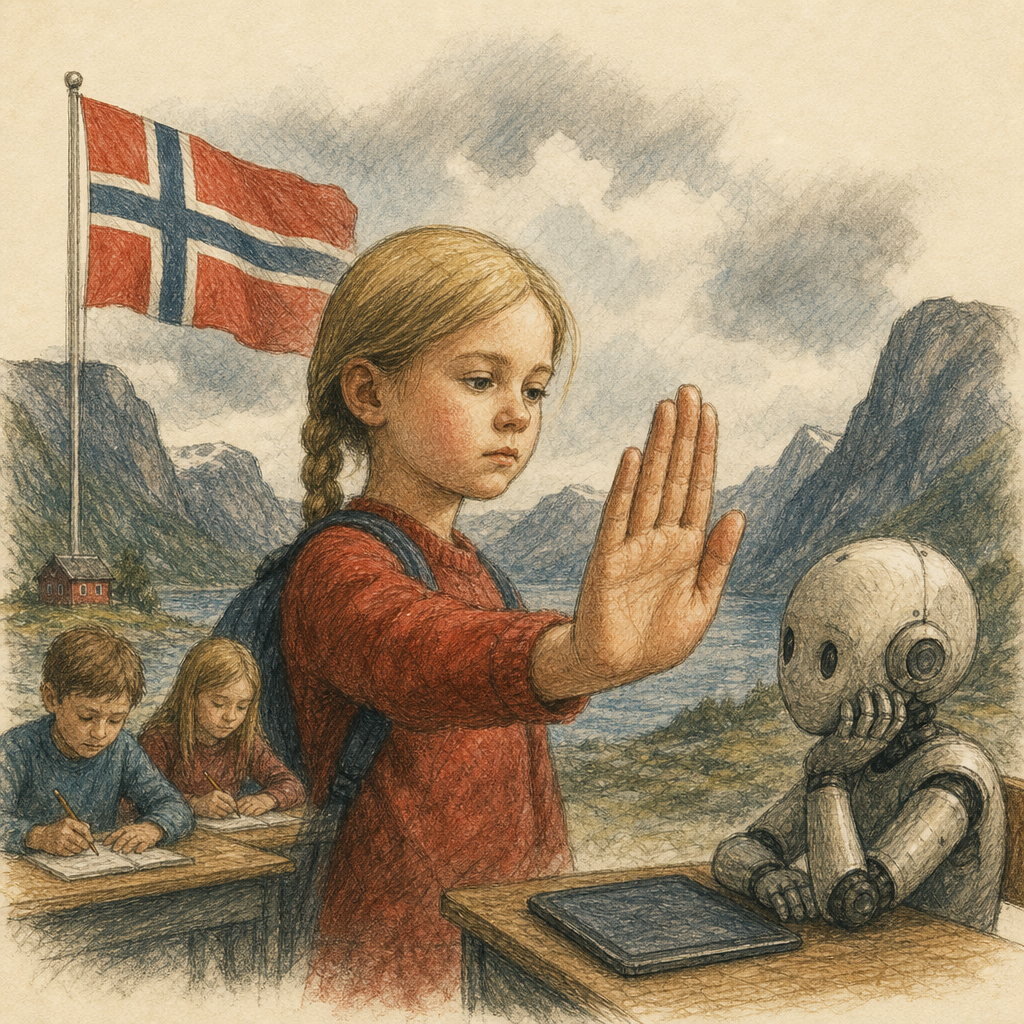
The Norwegian government has announced sweeping restrictions on the use of artificial intelligence tools by elementary school children. The measure aims to regulate younger students' interaction with the technology within the educational environment.
The new guidelines represent a significant regulatory step in addressing the impacts of generative artificial intelligence on education. By limiting access for elementary school students, Norwegian authorities seek to mitigate risks associated with children's use of these tools.
Norway's decision aligns with a broader global movement to assess the effects of AI in classrooms. Several countries have been debating how to integrate the technology safely, balancing its potential to aid learning with concerns regarding privacy, cognitive development, and academic integrity.
Implementing these restrictions will require practical adjustments from educational institutions. Schools will need to establish clear protocols and oversight mechanisms to ensure compliance with the new regulation and to define appropriate pedagogical guidelines for each age group.
Why is Norway restricting AI use for elementary school children?
Norway is limiting AI use by younger students to mitigate risks associated with the technology, specifically concerning children's privacy, cognitive development, and academic integrity.
What must Norwegian schools do to comply with the new AI regulations?
Schools in Norway must establish clear protocols and oversight mechanisms to ensure compliance with the new regulations and define appropriate pedagogical guidelines for each age group.
How does Norway's AI restriction fit into global educational trends?
Norway's decision aligns with a broader global movement to safely assess the effects of AI in classrooms, balancing the technology's learning potential with the need to protect younger students.