Rivian Owners Sue Company Over Hands-Free Driving Promise
The class-action lawsuit accuses the automaker of advertising autonomous driving features for first-generation R1 models that, according to the plaintiffs, were never delivered.
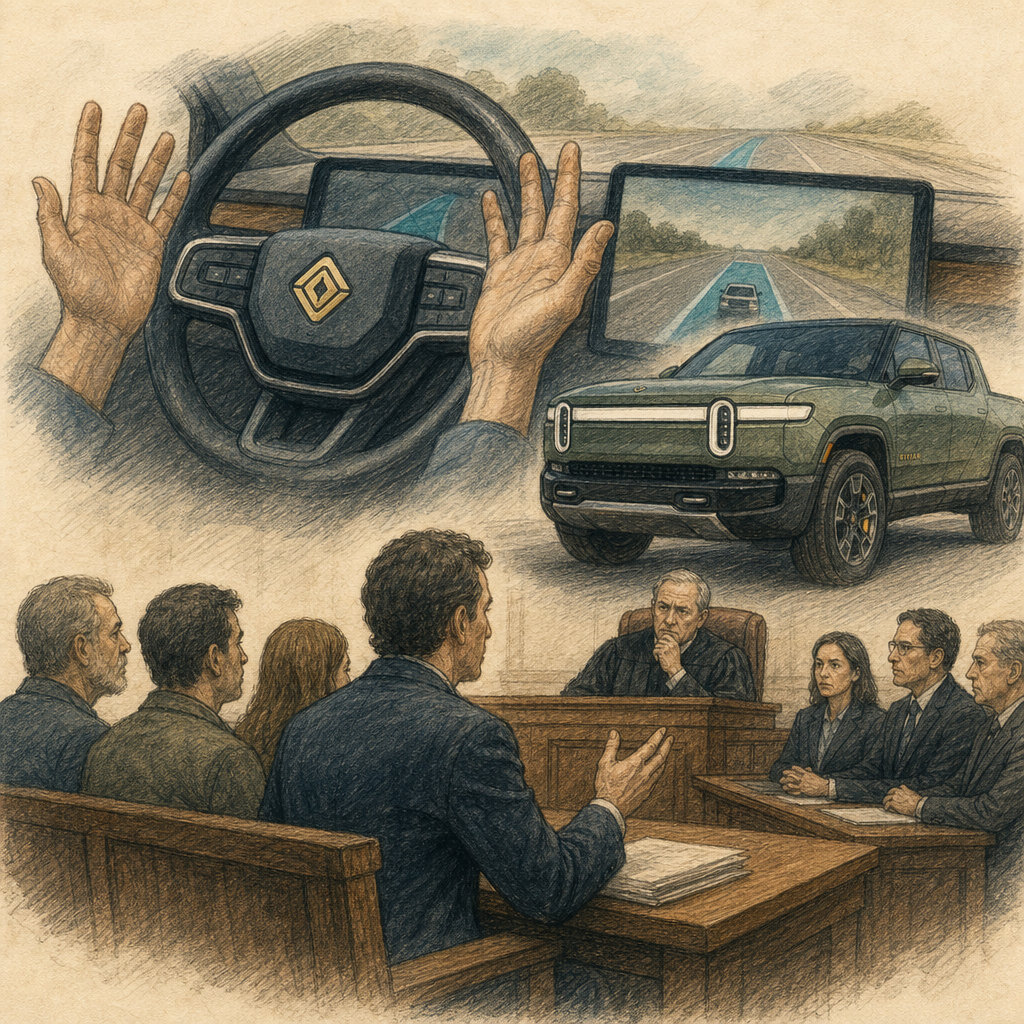
Rivian vehicle owners have filed a class-action lawsuit against the automaker in the United States, according to TechCrunch. The complaint alleges that the company promised for years to bring hands-free driving features to first-generation R1 vehicles, but failed to deliver on that offer.
According to TechCrunch, the plaintiffs argue that this alleged promise was a key selling point for the vehicles. The lawsuit specifically targets features associated with advanced driver-assistance systems, an area where automakers have used software updates and optional packages as part of their business strategies.
The case adds to the growing scrutiny over how electric vehicle and automotive technology companies communicate automation capabilities. Since the available information comes from the lawsuit reported by TechCrunch, the allegations currently reflect the plaintiffs' position rather than a judicial conclusion.
According to the report, Rivian is accused of leading consumers to expect a feature that never arrived in the vehicles cited in the lawsuit. The outcome will depend on the court's review of the company's communications, sales terms, and consumers' understanding of what was promised.
Why are Rivian owners suing the company?
Rivian owners filed a class-action lawsuit accusing the automaker of promising hands-free driving features for first-generation R1 models for years, but failing to deliver them.
Which Rivian vehicles are involved in the hands-free driving lawsuit?
The lawsuit specifically targets first-generation R1 vehicles, alleging that the promised advanced driver-assistance system features were a key selling point that never arrived.
What is the current status of the Rivian autonomous driving lawsuit?
The case is currently based on the plaintiffs' allegations. The final outcome will depend on the court's review of Rivian's communications, sales terms, and consumer expectations regarding the promised features.