Rivian vehicle owners sue company over autonomous driving promises
According to TechCrunch, a class-action lawsuit accuses the automaker of promising hands-free driving features for first-generation R1 models without delivering them.
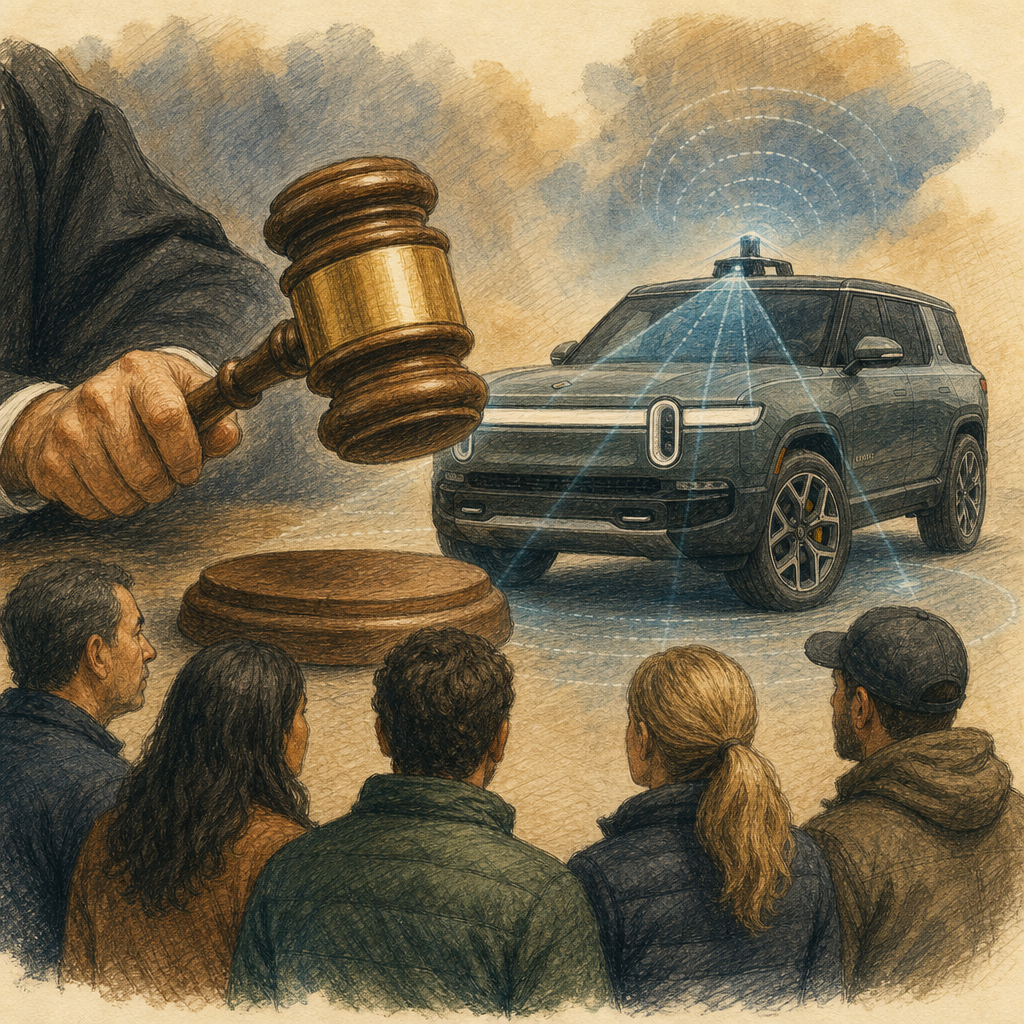
Rivian vehicle owners have filed a class-action lawsuit against the automaker in the United States, according to TechCrunch. The complaint alleges that the company spent years making promises about the arrival of hands-free driving features for first-generation R1 vehicles.
According to the publication, the plaintiffs argue that Rivian sold expectations regarding advanced driver assistance capabilities that were never made available to the owners of these models. The core accusation is that the company presented these features as part of the vehicles' planned evolution, thereby influencing purchasing decisions.
The case falls within a broader context of regulatory and judicial pressure over automakers' claims regarding vehicle automation. According to TechCrunch, the dispute specifically involves the gap between what consumers say was promised and what was actually delivered in the first-generation R1 vehicles.
Rivian is one of the electric vehicle companies trying to compete in a market where software and driver assistance features have become important elements of differentiation. In this lawsuit, however, according to the report, the discussion is not merely technical: the owners are questioning whether the company's communication regarding future functionalities was clear and accurate.
- Rivian owners sue over false promises on self-driving features · techcrunch.com
Why are Rivian owners suing the company?
Owners filed a class-action lawsuit accusing Rivian of making promises about hands-free driving features for first-generation R1 vehicles that were never delivered, allegedly influencing their purchasing decisions.
What is the core accusation in the Rivian autonomous driving lawsuit?
The lawsuit centers on the gap between Rivian's communication regarding future advanced driver assistance capabilities and the features actually delivered to first-generation R1 owners.
Does the lawsuit against Rivian involve technical software failures?
The dispute is not merely technical. Plaintiffs are primarily questioning whether Rivian's communication regarding future autonomous functionalities was clear and accurate to consumers.