The Profitable Surrender
Opening up iOS in Brazil does not crown the free market; it marks a tactical retreat to stave off harsher regulation — and users are trading security for the burden of choice.
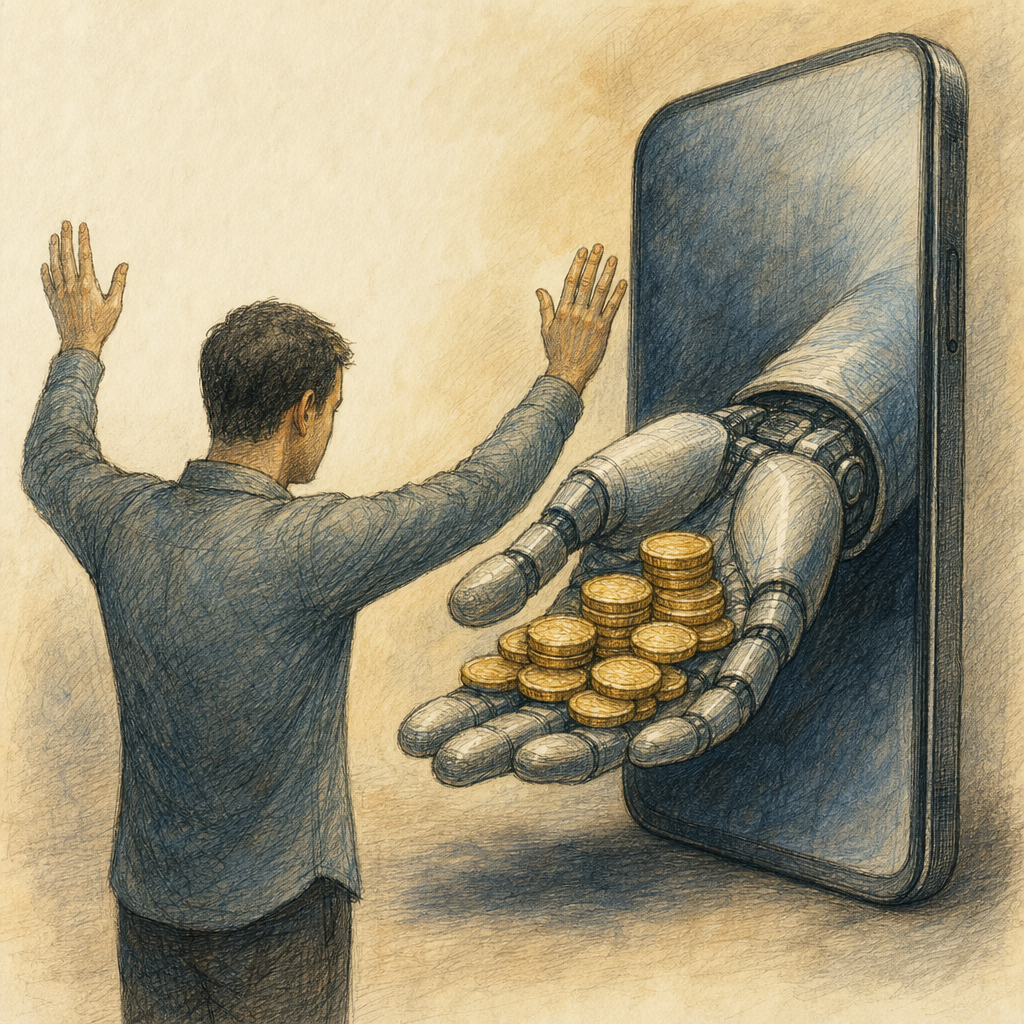
The news that Apple will begin allowing third-party app stores in Brazil carries the tone of a consumer victory. According to Engadget, the move brings to the country the same flexibility already implemented in Europe. On the surface, it is the end of an arbitrary monopoly. In practice, it is the final act of a strategic surrender. Apple did not open its gates out of a newfound faith in the free market, but because it calculated that a controlled retreat is less painful than relentless legislative intervention.
The timeline of this opening reads like the script of a company managing the decline of its absolute power. The European Union breached the wall with the DMA (Digital Markets Act), forcing Apple to allow alternative stores under the threat of billion-dollar fines. Brazil is moving in the same direction, with Congress heating up the debate over digital competitiveness and the end of Apple's exclusive taxation. By conceding now, the Cupertino-based company prevents regulators from setting the rules of the game on their own terms. It is better to hand over the key under an agreement than to have the wall torn down by decree.
The problem with this heroic narrative of "user liberation" is that it ignores why Apple's ecosystem was closed in the first place. The App Store was not merely a machine for extracting a 30% commission; it was the pillar of a security promise. Apple's walled garden justified the premium price of its devices. You paid more to have an environment where malware was an anomaly and the experience was curated. By fragmenting software distribution, the company dilutes that guarantee. Users gain the freedom to choose where they download their apps, but they inherit the burden of verifying whether the source is trustworthy.
And make no mistake: Apple will charge dearly for this loss of control. The company has already designed technology fees for alternative apps in Europe, charging a "core technology fee" from anyone who dares to leave its official store. This opening is not free, and Apple will ensure the cost of abandoning its ecosystem remains high. The free market, in this case, comes with a toll.
What we are witnessing is not the triumph of competition, but the bureaucratization of a monopoly. Apple loses absolute exclusivity but retains its taxable infrastructure. Brazilian consumers will soon discover that a parody of choice can be more exhausting than the old restriction. In the end, the true irony of a free app market is that it forces us to become the security guards of our own phones.
Why is Apple allowing third-party app stores in Brazil?
Apple is allowing third-party app stores in Brazil as a strategic retreat to stave off harsher legislative intervention. By conceding now, the company prevents regulators from imposing stricter rules and decrees regarding digital competitiveness.
How does opening iOS affect user security?
Opening iOS fragments software distribution and dilutes Apple's security guarantee. While users gain the freedom to choose where to download apps, they inherit the burden of verifying whether alternative sources are trustworthy and safe from malware.
Will Apple's alternative app stores be free for developers?
No, the opening is not entirely free. Apple has designed technology fees, such as the 'core technology fee' implemented in Europe, to ensure that the cost of abandoning its official ecosystem remains high.